5 reasons your tracking is leading you astray


Why your tracking often lies to you
The pixel reports 70 leads. Check the CRM for genuine enquiries and how they were counted. Only a matching definition and period let you assess the discrepancy.
Faulty tracking is one of the biggest reasons for bad marketing decisions. When the data is wrong, you optimize into the void.
What clean tracking really means
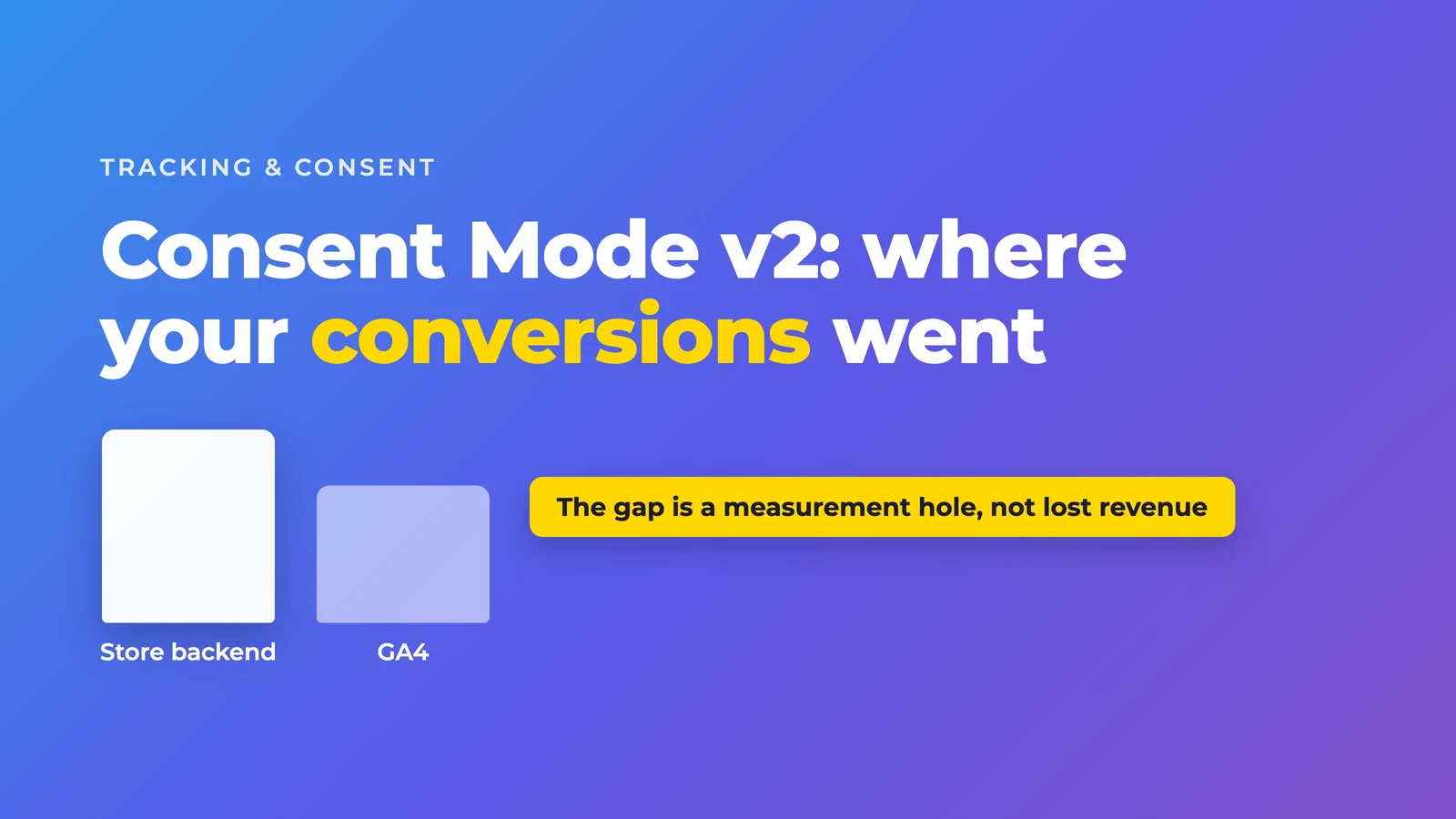
Clean tracking needs clear event definitions, correct values and required consent. A green pixel does not prove complete data. Follow a controlled conversion from its source to the report, and reconcile real leads or purchases with the backend separately.
The five biggest tracking mistakes
1. Client-side tracking only
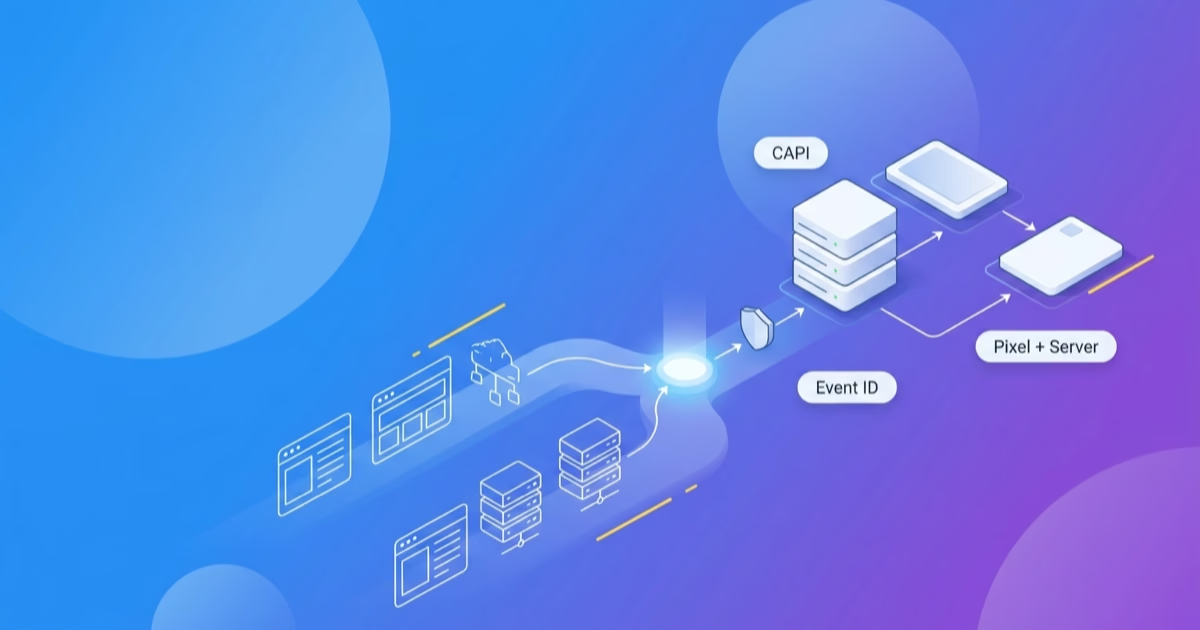
Blocked scripts and page errors can prevent browser events. Server-side tracking can reduce technical gaps when a permitted event comes from an appropriate source. Required consent still applies. A browser-dependent event can disappear before reaching the server.
2. The wrong attribution model
A 7-day click window rarely shows the whole truth. Data-driven attribution assigns credit using available signals. It does not automatically establish which ad caused additional revenue. Compare models and windows on the same basis.
3. Duplicate events
Often the pixel and the tag manager send the same conversion. That leads to doubled values and distorted results.
4. No offline conversions
Phone or CRM leads stay invisible if you don't import them. Offline uploads can make later sales outcomes more visible. They do not guarantee complete reporting.
5. A messy UTM structure
Inconsistent parameters make clean reports impossible. A clear UTM system gives you reliable analysis.
How to build tracking you can trust
- Check consent, events, values and sources first. Add server-side tracking where it can reduce permitted technical gaps.
- Test regularly with debug tools and check every event.
- Define which metrics actually matter. You can hide the rest.
Conclusion
Check the data basis before making a budget decision. Record which events arrive, which are missing and which results are only attributed. That makes the limits of the report visible.
What we do about it
We check these errors during account reviews, as a Meta ads agency and a Google ads agency. The findings determine which technical change the setup needs.
The technical groundwork sits in Server-side tracking with the Conversion API.
Google: consent in server-side tagging · Meta: verify receipt, deduplication and matching.









Klären wir deinen nächsten Schritt zusammen
Let’s work out your next step together