Advantage+ vs manual Meta campaigns: when each structure fits in 2026


What is the campaign meant to do: serve existing demand, acquire new customers, or answer a creative testing question? Define the goal, available data and required controls before choosing Advantage+ or a manual structure.
What is Advantage+?
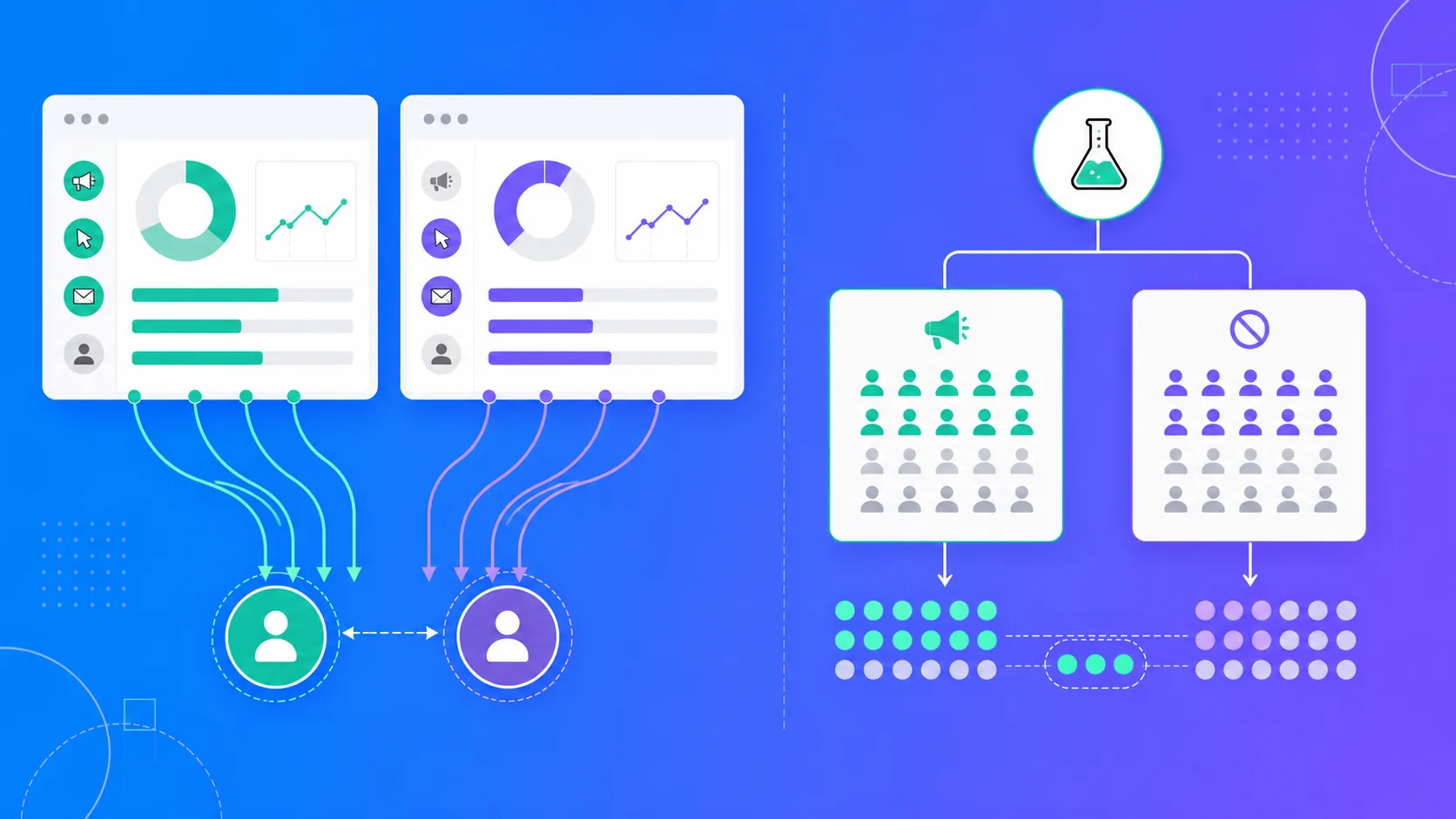
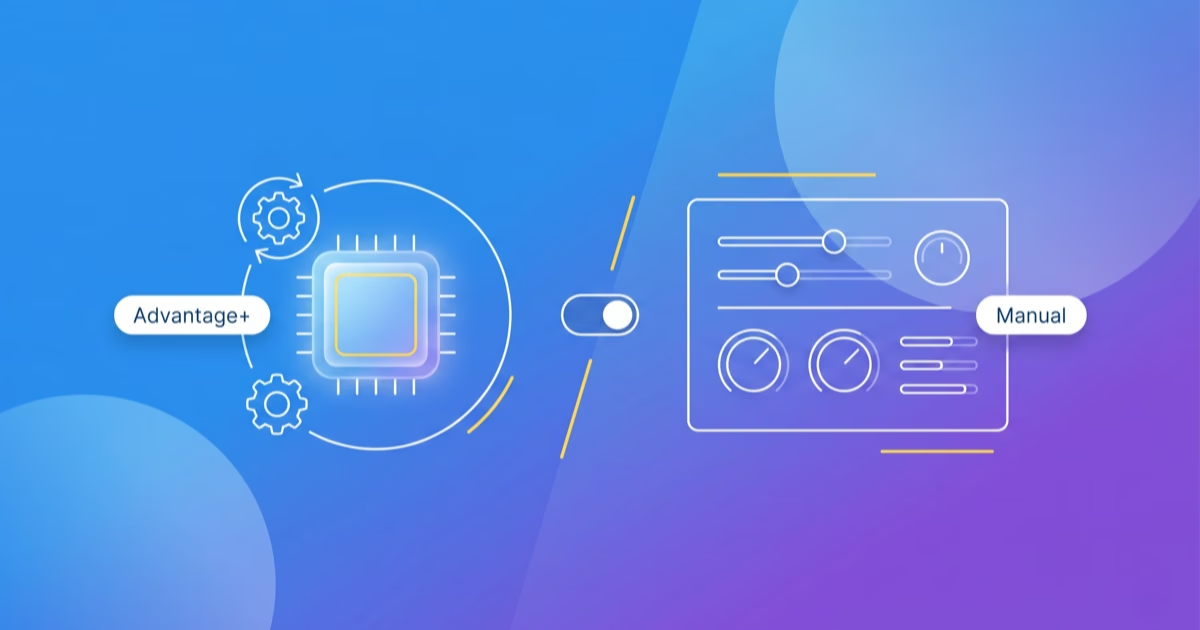
Advantage+ is Meta's umbrella term for AI-driven campaigns. The most relevant for consumer brands are Advantage+ Sales campaigns (formerly known as Advantage+ Shopping), where Meta steers audiences, placements and budget distribution via the algorithm. You provide creatives, budget and conversion goal, the system optimises the rest. With manual campaigns you define audiences, placements and budgets yourself.
The key points in brief
- Advantage+ automates targeting and budget. Strong with good data and a broad product range.
- Manual campaigns give control. Strong with clear audiences, tests and tight requirements.
- Review the combination: different campaigns can take on different roles. Define them before allocating budgets.
- The prerequisite for Advantage+ is clean tracking. Incomplete signals can steer automated campaigns toward the wrong objective.
The strengths of Advantage+
Advantage+ plays to its strength when enough conversion data exists and the product range is broad enough to give the algorithm room. It finds combinations of audience, placement and creative that would be hard to test manually, and reacts quickly to signals. For scaling D2C brands with good data flow it is often the most efficient way to win new customers.
The strengths of manual campaigns
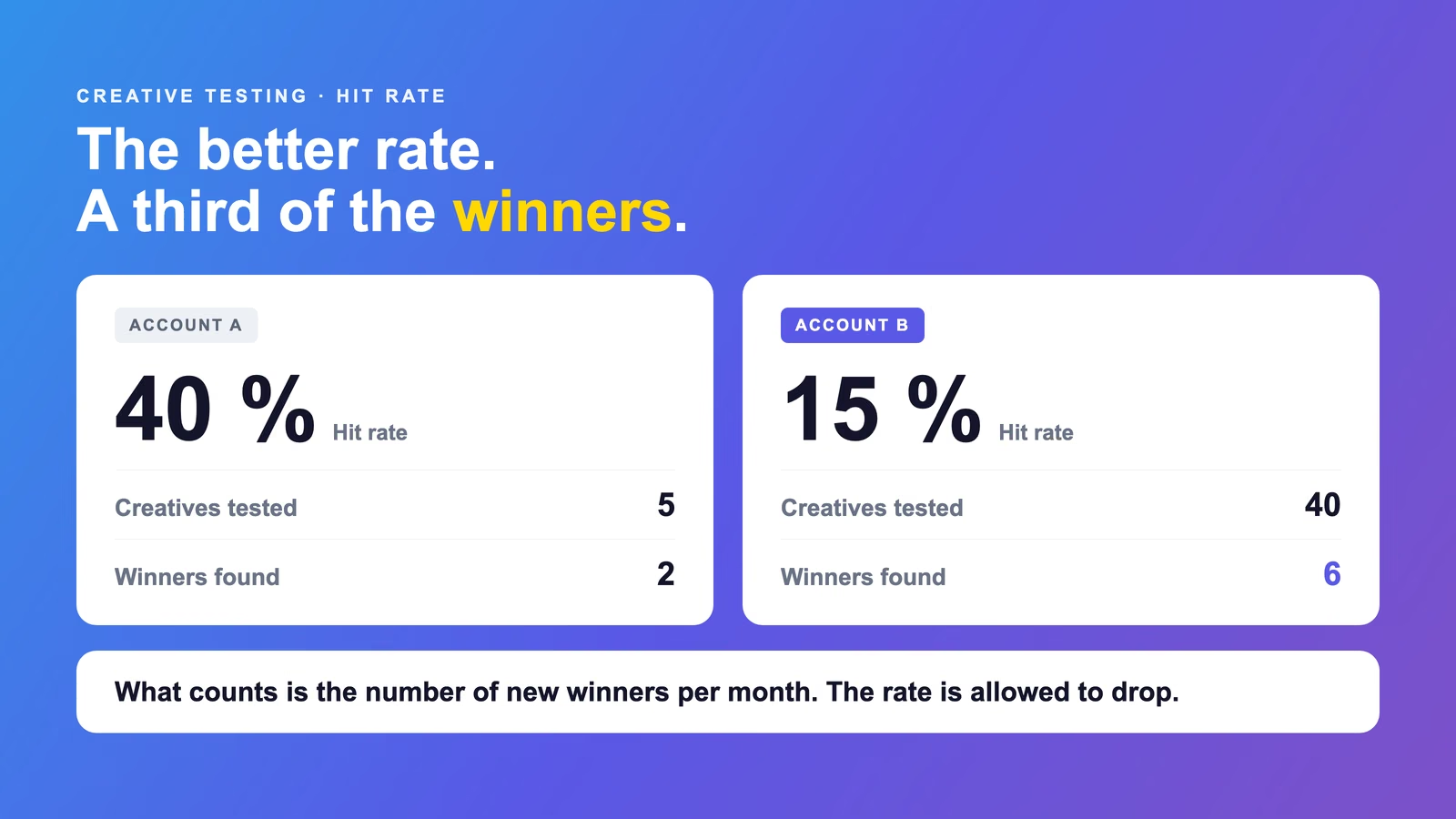
Manual campaigns are the right choice when you need control: for clean creative tests with a clear variable, for addressing tightly defined audiences, or for campaigns with special requirements such as exclusions or a regional focus. They are also the better tool for learning which message works for which audience, before you feed that knowledge into Advantage+.
Advantage+ vs manual compared
- Control over targeting: Advantage+ low, manual high.
- Learning speed: Advantage+ high with good data, manual slower.
- Fit for creative tests: manual strong, Advantage+ limited.
- Data need: Advantage+ high, manual medium.
- Maintenance effort: Advantage+ low, manual higher.
- Best fit: Advantage+ for scaling and prospecting, manual for tests and clear audiences.
When to use which
Review Advantage+ for your planned customer acquisition and manual structures for tasks with specific requirements or test questions. The decision depends on the controls you need in the account and the data you can evaluate. Combining them is an option, not a goal in itself.
How to combine the two
The most common mistake is committing to one camp. Better is an interplay: in manual campaigns you test creative angles and audiences with a clear variable. What works moves into Advantage+ as a creative and as a signal, which scales from there. That way you use the learning ability of automation without losing control over the message.
Case in point: Und Gretel
At Und Gretel, a premium D2C beauty brand, it wasn't about the question of Advantage+ or manual, but about the right interplay across four paid channels. The result: over 3,500 orders, a blended ROAS of 3.5 and a 38 percent new-customer share. These cross-channel results do not isolate the impact of an individual feature.
Why the choice takes experience
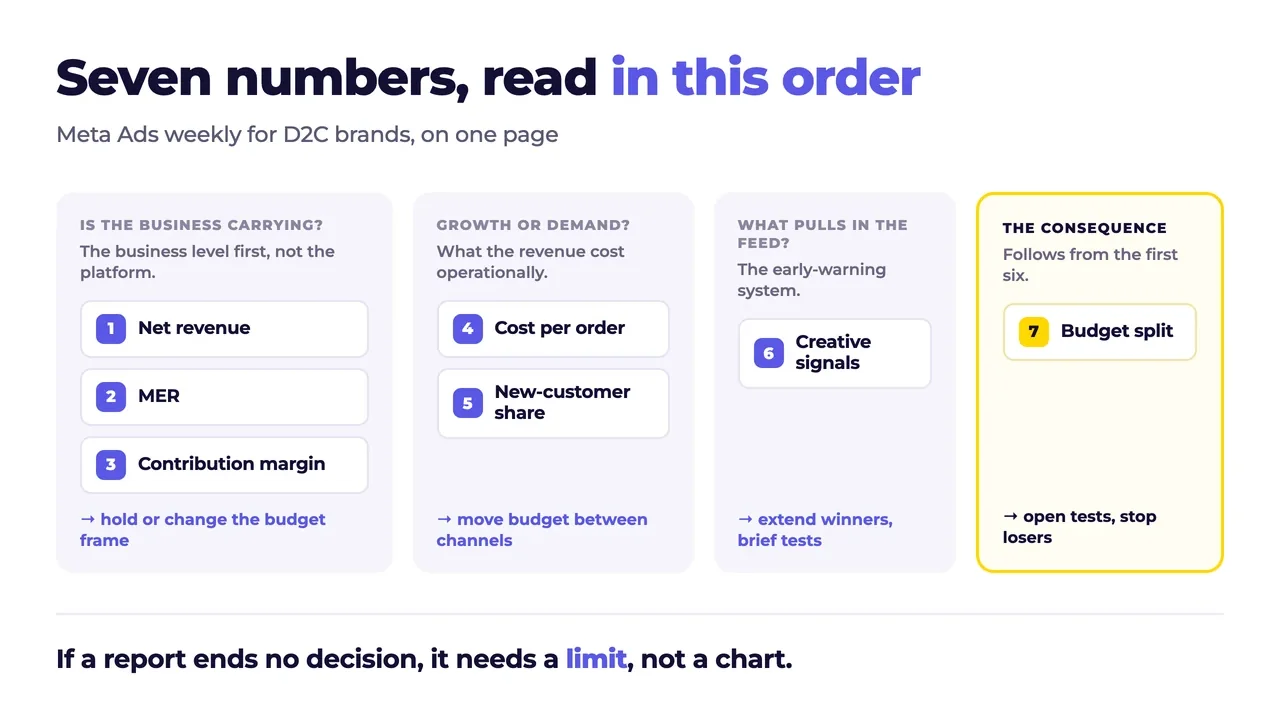
Review campaign structure when the data, season or creative inventory changes. Record each campaign’s role in the weekly report and why you are keeping or adjusting the allocation.
Frequently asked questions
What is better, Advantage+ or manual campaigns?
Neither is better across the board. Advantage+ is strong with good data and scaling, manual campaigns with tests and clearly defined audiences. Most successful accounts run both in parallel.
Does Advantage+ need its own budget?
Yes, Advantage+ should get enough budget to get through the learning phase. Kept too tight or rebuilt too often, the algorithm never starts learning and performance stays unstable.
Does Advantage+ work without clean tracking?
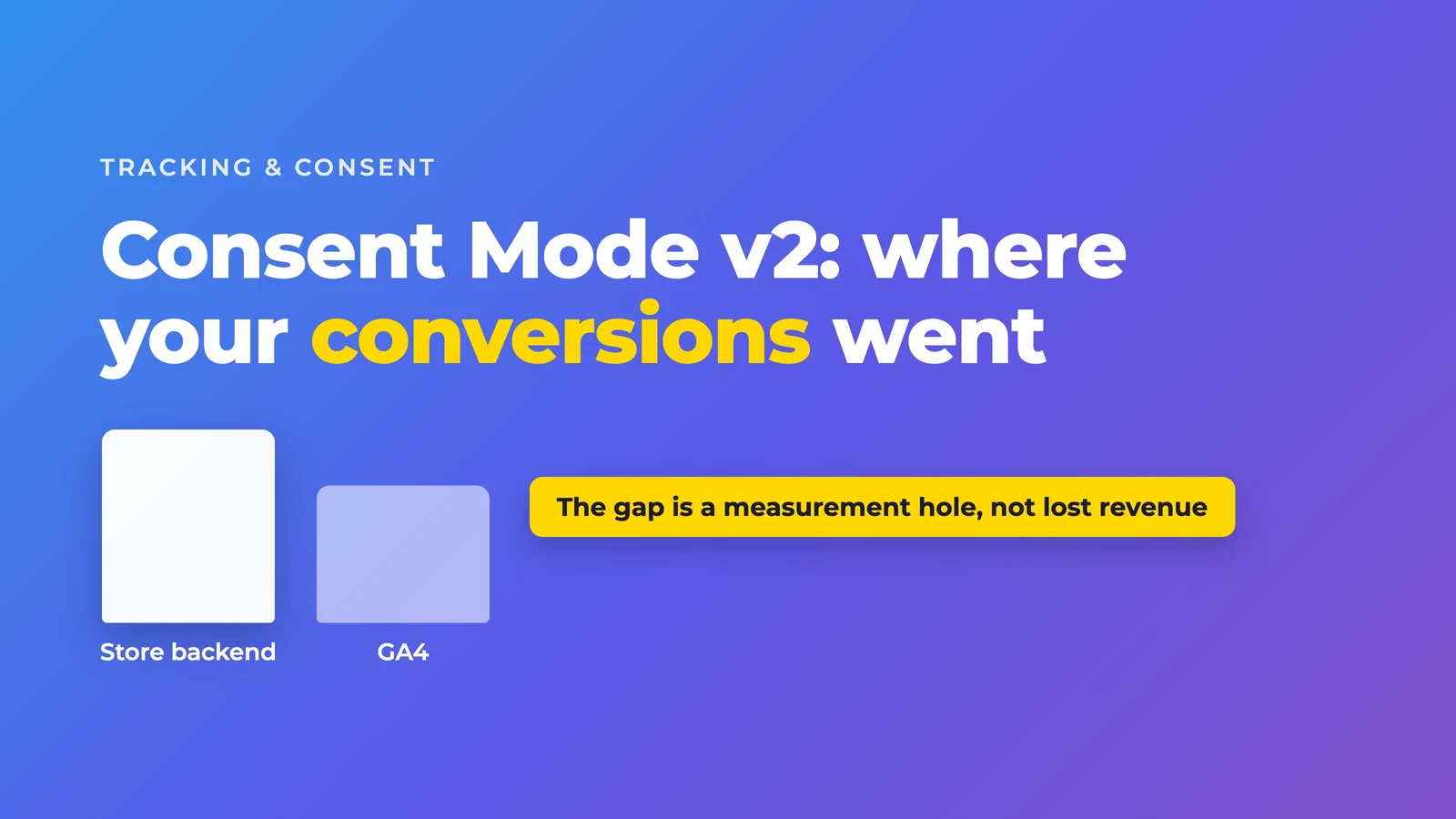
Poorly. The automation is only as good as the signals it optimises on. Check events, values and consent. Server-side tracking can reduce technical gaps but does not guarantee complete conversion data.
Can I test creatives in Advantage+?
Before a creative test, define the variable, control and decision you will make afterwards. Then compare which structure can answer that question in your account. A better reported ad result alone does not explain why it happened.
Conclusion
In 2026, give each campaign a clear role and check whether its structure, data and creative volume fit. A good result in one phase does not settle the structure of the entire account. We make these decisions per account and revisit them in regular reviews. This is how we work.
Who makes that call for you
Advantage+ or manual depends on data volume, creative output and margin. As a Meta ads agency we make the call per account and revisit it when the numbers turn.
The creative side of it sits in the creative testing framework.








Klären wir deinen nächsten Schritt zusammen
Let’s work out your next step together